
Gel and Acrylic Nails Explained: Durability, Look and Upkeep
Gel and Acrylic Nails Explained: Durability, Look and Upkeep Gel or acrylic? It is the first question at almost every salon appointment, and the honest answer is that both are excellent — for different people. This guide explains how each system works, how long it lasts, what the upkeep really involves, and how to choose…
Gel and Acrylic Nails Explained: Durability, Look and Upkeep
Gel or acrylic? It is the first question at almost every salon appointment, and the honest answer is that both are excellent — for different people. This guide explains how each system works, how long it lasts, what the upkeep really involves, and how to choose the one that fits your nails, your budget and your lifestyle.
Whichever you pick, the designs you can wear on top are endless — browse our everyday nail design ideas for shapes and finishes that suit both systems.
How Gel Nails Work
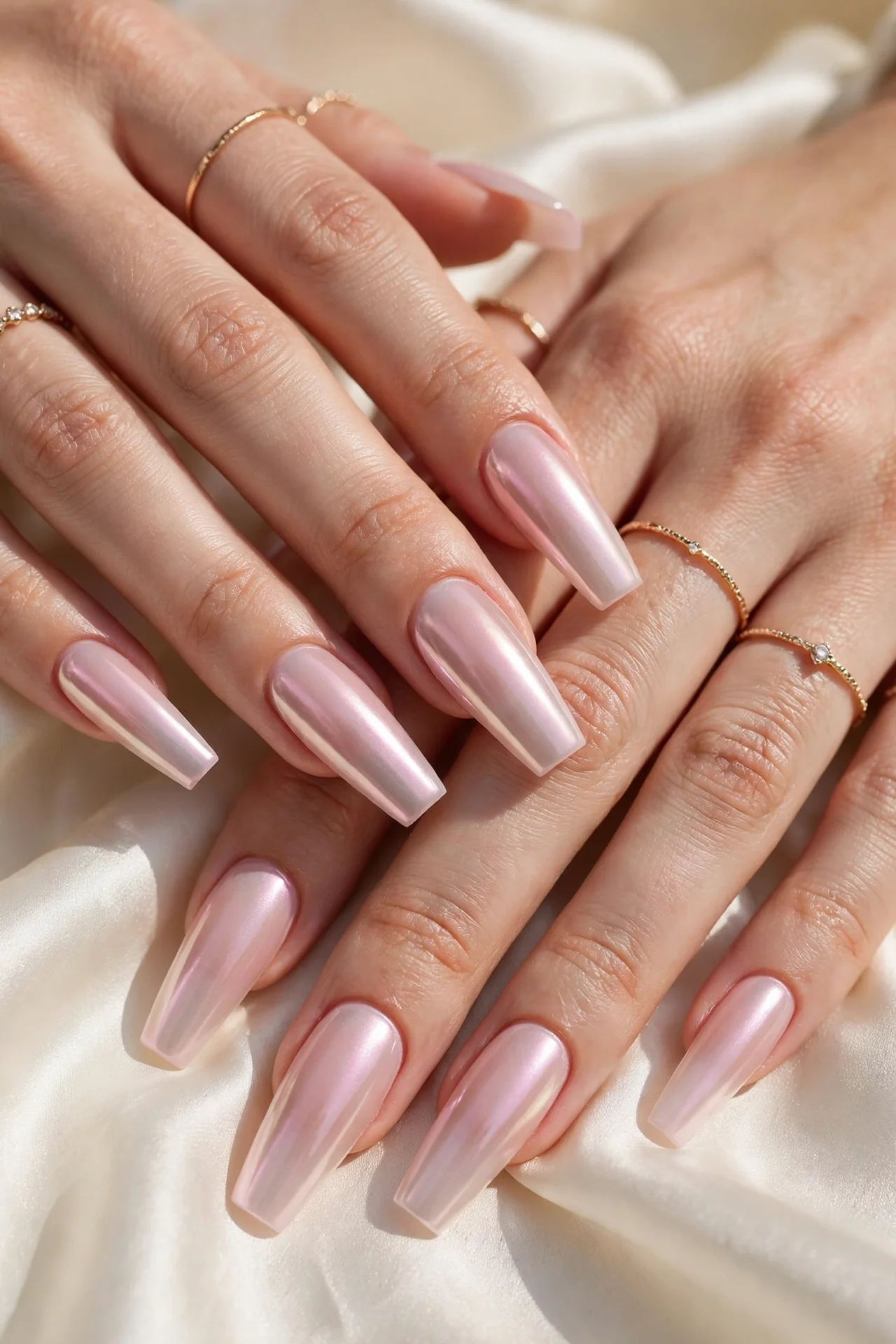
Gel is a pre-mixed formula that is brushed onto the natural nail (or over a tip/form for length) and then hardened — “cured” — under a UV or LED lamp. Because it cures in thin layers, gel keeps a slightly flexible, natural feel and a glassy shine that lasts until removal.
Soft gel can be soaked off with acetone; hard gel must be filed off by a professional. Gel is the gentler option for natural nails and the better choice if you type all day, since its slight flexibility absorbs knocks instead of cracking.
How Acrylic Nails Work
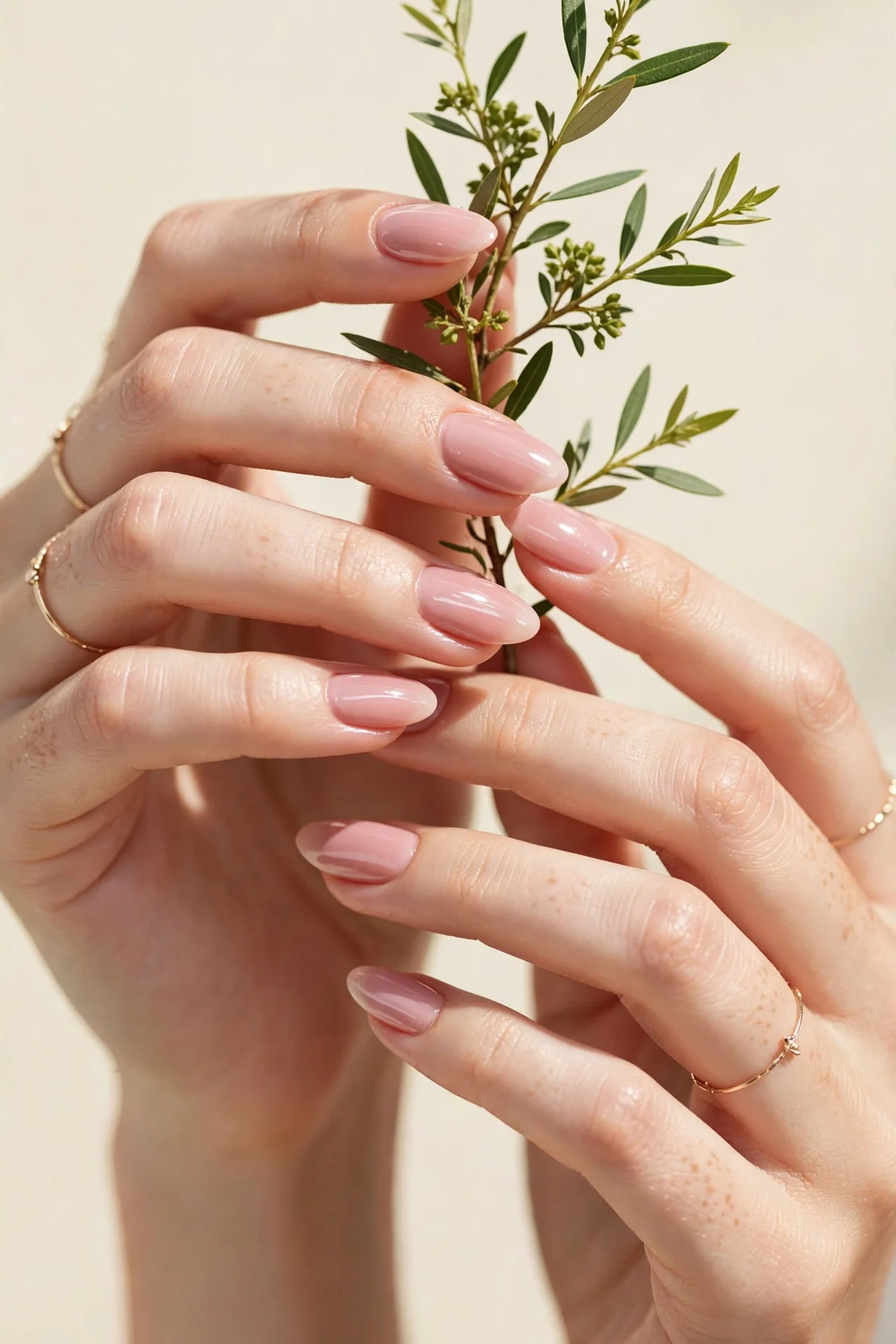
Acrylic is created at the moment of application: a liquid monomer and powder polymer are mixed into a bead that hardens in the air as the technician sculpts it. The result is the strongest, hardest enhancement available — the system behind most dramatic lengths and shapes like long coffin and stiletto nails.
Acrylic’s strength is also its trade-off. It feels firmer and less natural than gel, the application has a noticeable chemical smell, and because it has no flexibility, a hard knock can crack the enhancement — or stress the natural nail beneath it.
Durability and Upkeep Compared
Both systems typically last two to three weeks before a fill is needed, as the natural nail grows out from the cuticle. Gel tends to keep its shine longer; acrylic tends to survive heavier use. Cost is similar in most salons, with acrylic often slightly cheaper for very long sets and gel slightly cheaper for natural-nail overlays.
The upkeep rule that matters most applies to both: never pry or peel off a lifting enhancement. Peeling tears layers of your natural nail with it — the single most common cause of the weak, damaged nails people blame on the product itself. Between appointments, the habits in our nail care basics guide keep the natural nail underneath healthy.
Which One Should You Choose?
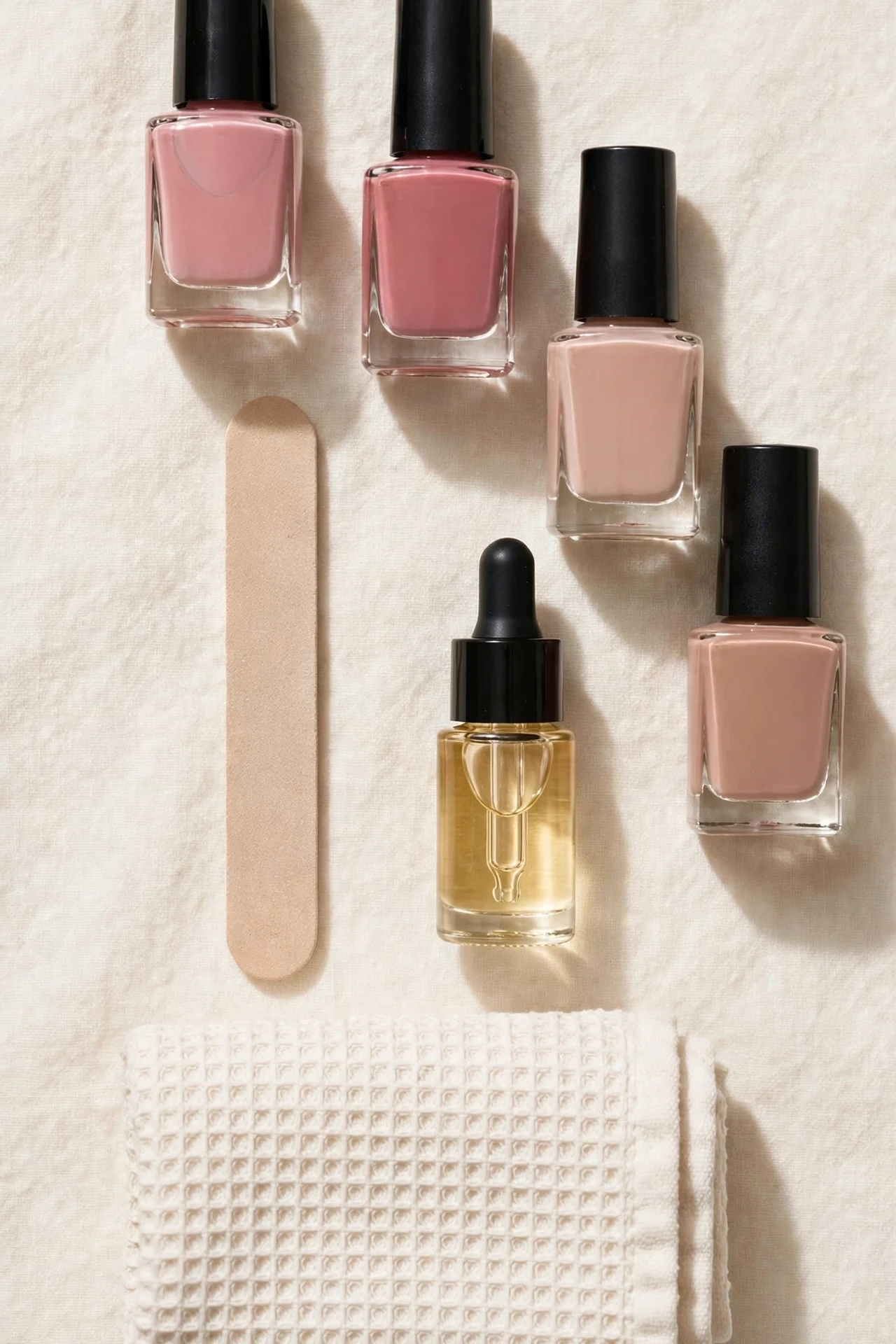
Choose gel if you want a natural look and feel, work with your hands on a keyboard, or plan to grow your own nails underneath. Choose acrylic if you want maximum length, dramatic shapes, or the hardest-wearing set for a hands-on lifestyle. And if you mostly paint your own nails, a good gel-effect polish at home can mimic the look — our at-home manicure routine shows how to make it last. For seasonal color inspiration on either system, see this year’s autumn nail colors.