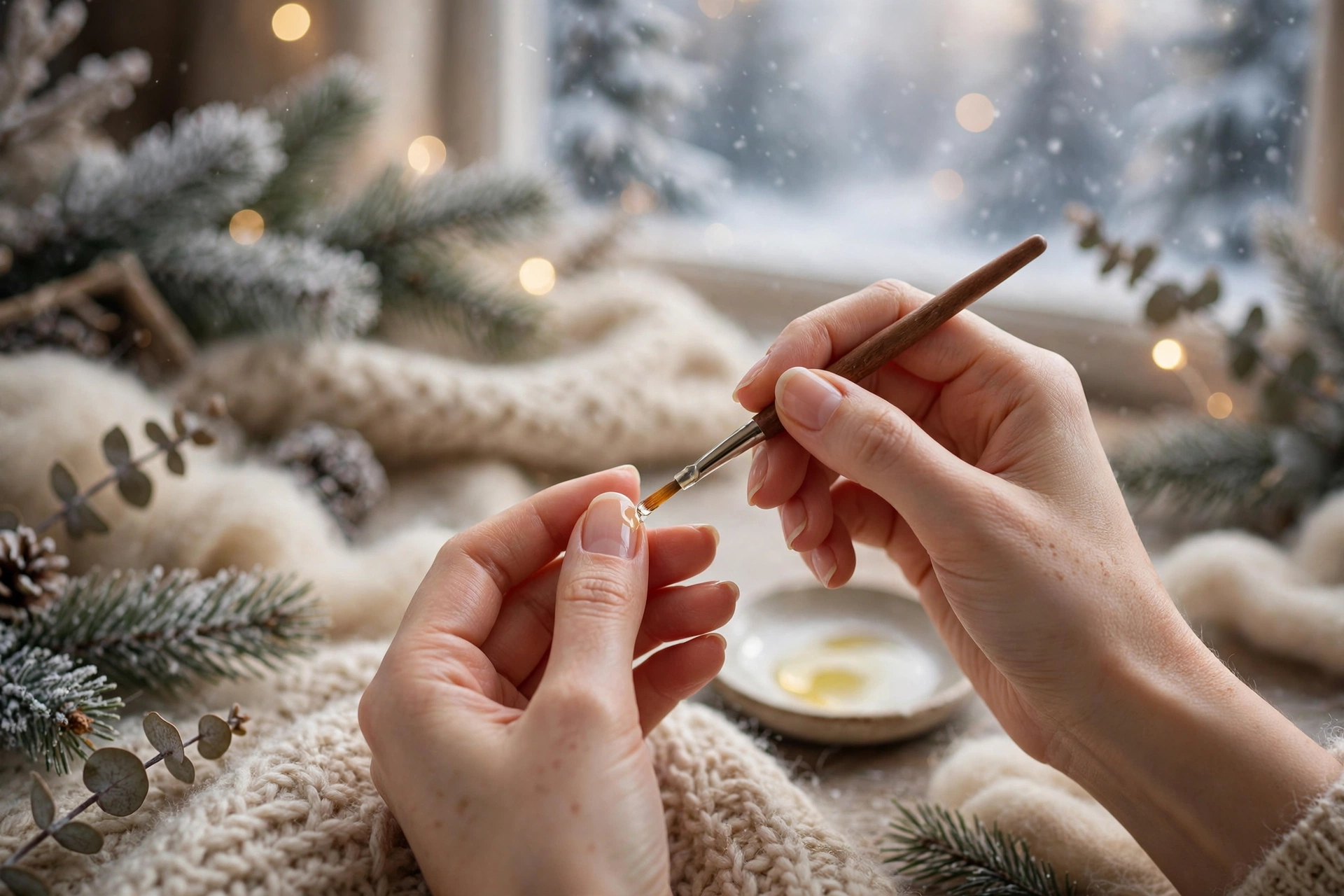
8 Best Nail Care Tips for Winter 2026
Winter is the hardest season for nails. Cold air outside, dry heated air inside, hot water, harsh soaps and constant hand washing — together they leave nails brittle, peeling and breaking, and cuticles dry and ragged. If your nails always seem to split and snap in winter, you are not alone, and the good news…
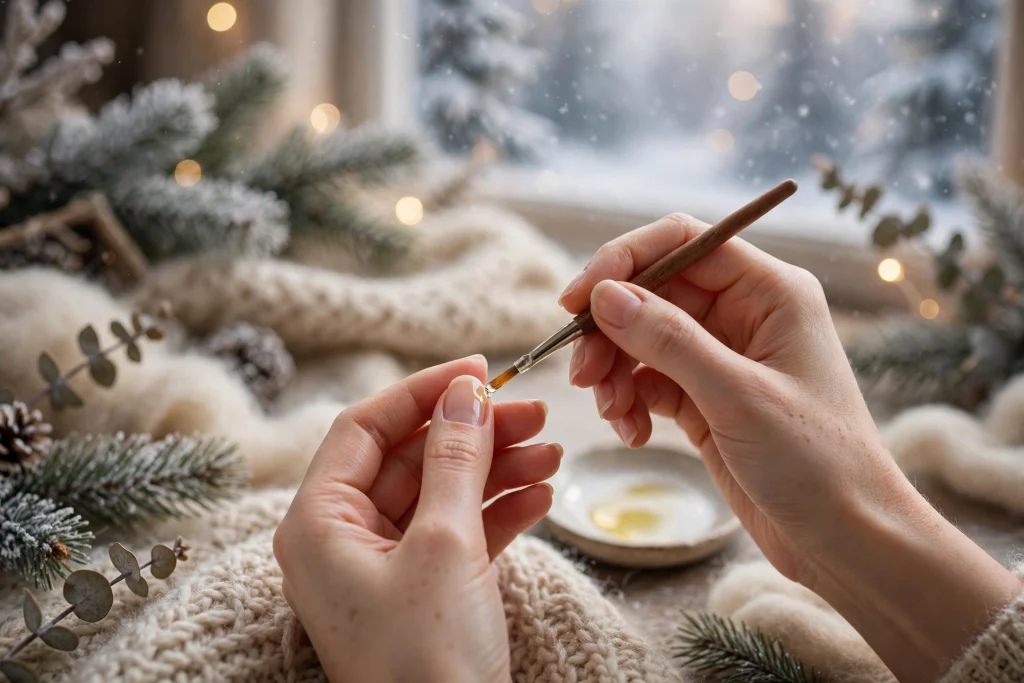
Winter is the hardest season for nails. Cold air outside, dry heated air inside, hot water, harsh soaps and constant hand washing — together they leave nails brittle, peeling and breaking, and cuticles dry and ragged. If your nails always seem to split and snap in winter, you are not alone, and the good news is that a few simple habits can change everything.
The secret to healthy winter nails is not an expensive treatment. It is protection and moisture: shielding your nails from the cold, feeding them with oil and cream every day, and giving them a break from harsh polish and removers. Small changes, done consistently, make a bigger difference than any single salon visit.
In this guide from Gloss and Grov, we have gathered the 8 best nail care tips for winter 2026. Each one is simple, affordable and easy to build into your daily routine. We will also share a simple winter nail care routine you can follow step by step, the warning signs that your nails need extra care, and answers to the most common winter nail questions.
1. Moisturise Your Nails Every Day
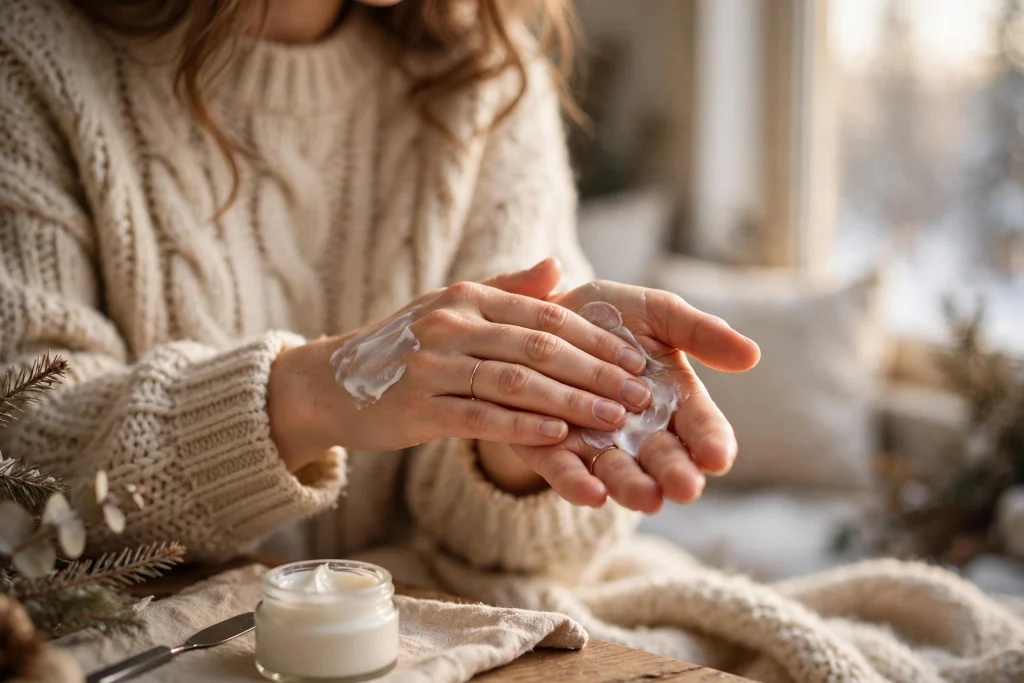
Moisture is the single most important thing for winter nails. Cold air and central heating strip water from the nail plate, leaving it dry, brittle and prone to splitting. A daily dose of cuticle oil and hand cream replaces that lost moisture and keeps nails flexible instead of fragile.
Apply cuticle oil to each nail every night before bed, massaging it gently into the cuticle and the nail plate. Follow with a rich hand cream, and pay special attention to the fingertips. Keep a small bottle of cuticle oil on your desk or in your bag so you can reapply during the day. Within a week of daily moisturising, most people notice their nails feel stronger and their cuticles look smoother.
2. Wear Gloves Every Time You Go Outside
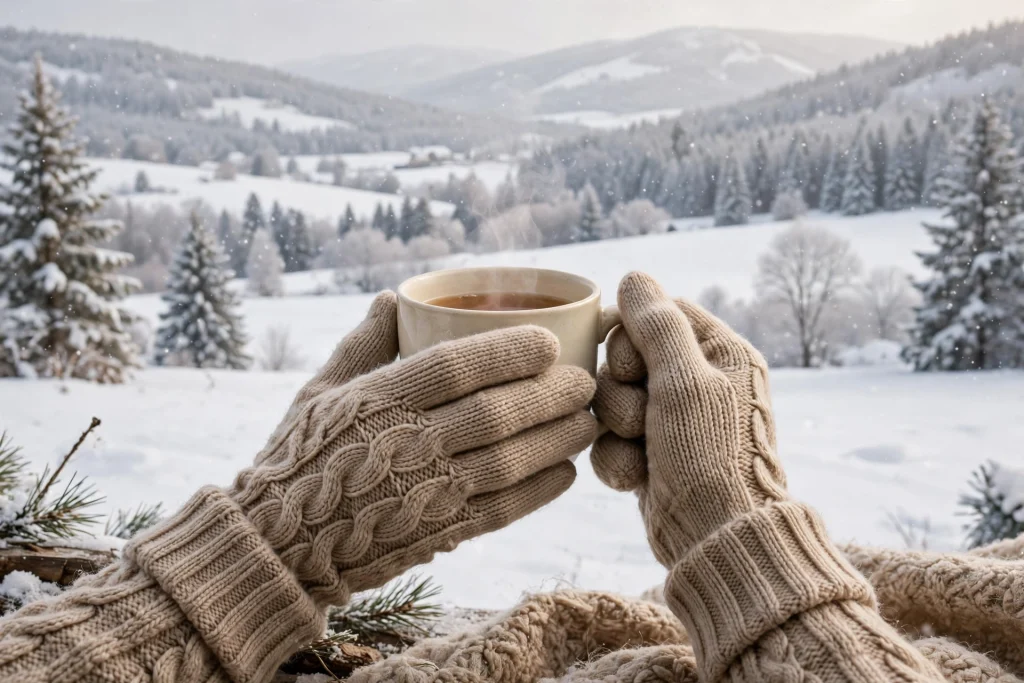
Cold air is one of the worst things for nails. It dries out the nail plate, makes it contract and expand, and leaves it weak and likely to split. Gloves are the simplest protection there is — and the one people forget most often.
Keep a pair of warm gloves by the front door, in your coat pocket and in your car, so you are never caught without them. Even a short walk in freezing air without gloves can dry out your nails. And gloves protect your hands from wind as well as cold, which matters because wind strips moisture from skin and nails just as quickly as low temperatures do.
3. Keep Your Nails Short and Neat
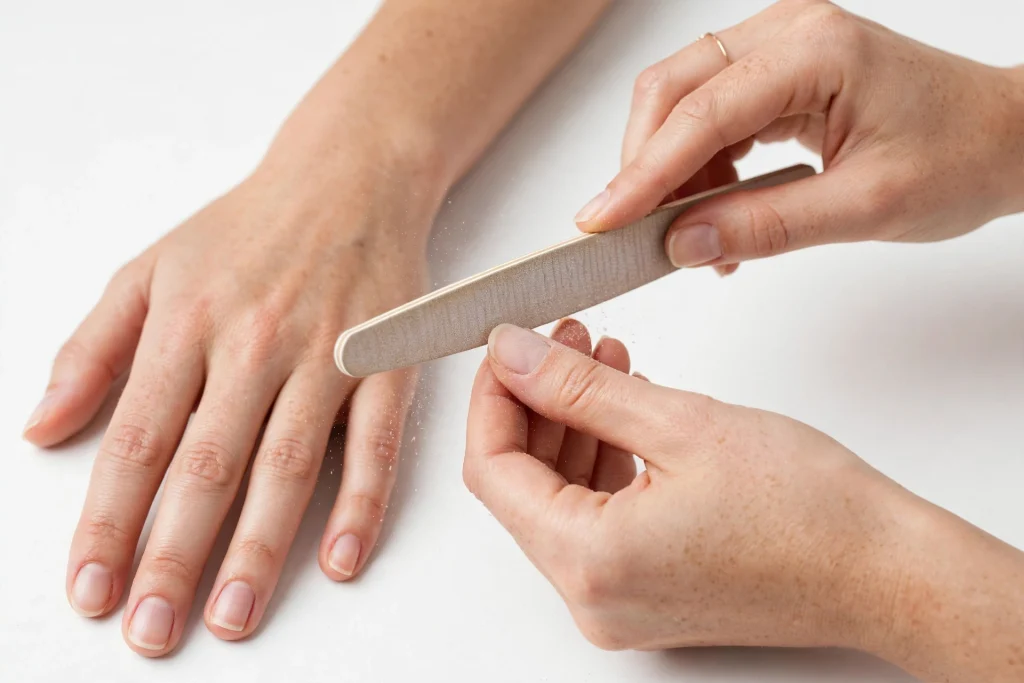
Long nails look beautiful, but in winter they break far more easily. Dry, brittle nails snap under the slightest pressure, and a long nail that breaks is painful and hard to fix. Shorter nails are stronger nails in winter, because there is less leverage on the nail plate.
You do not need to cut your nails very short — just keep them at a practical length and file them into a rounded or squoval shape, which is far less likely to catch and split than a sharp square edge. File in one direction only, with a fine-grit file, and never saw back and forth, which frays the edge of the nail. A weekly trim and file keeps winter nails neat and break-resistant.
4. Use a Gentle, Acetone-Free Remover
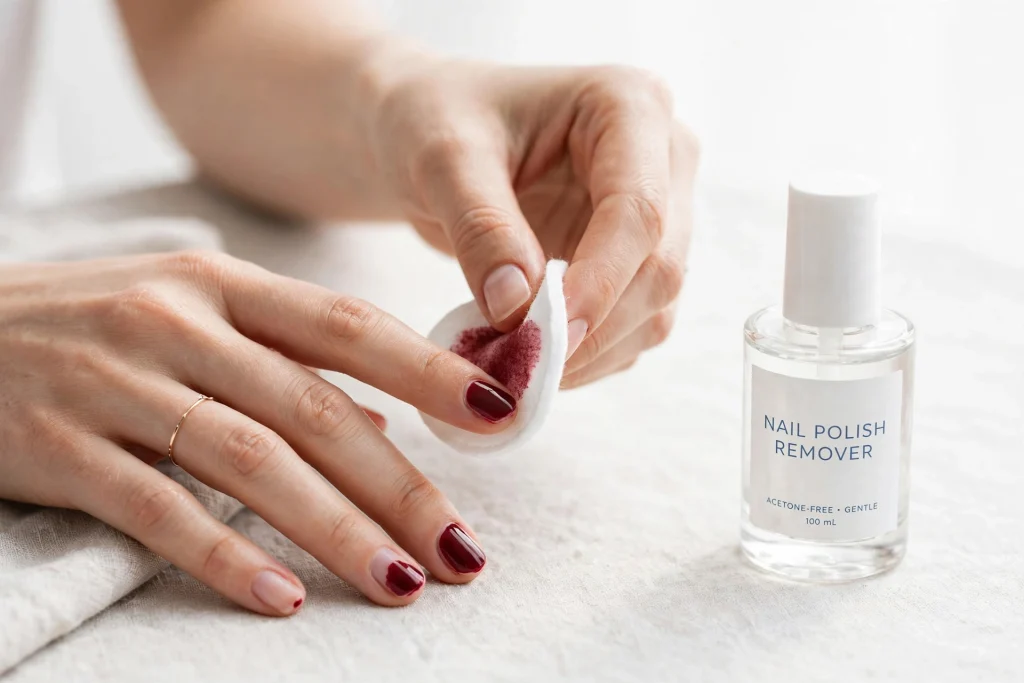
Acetone remover is fast, but it is brutal on winter nails. It strips away the natural oils from the nail plate, leaving it white, dry and chalky — exactly what you do not need in the coldest months. An acetone-free remover takes a little longer, but it is far kinder to your nails.
To remove polish gently, soak a cotton pad in acetone-free remover, press it onto the nail for ten seconds, then wipe in one smooth motion. For glitter polish, hold the soaked pad on the nail a little longer before wiping. And always moisturise with cuticle oil immediately after removing polish, to replace the moisture the remover took away.
5. Always Apply a Strengthening Base Coat
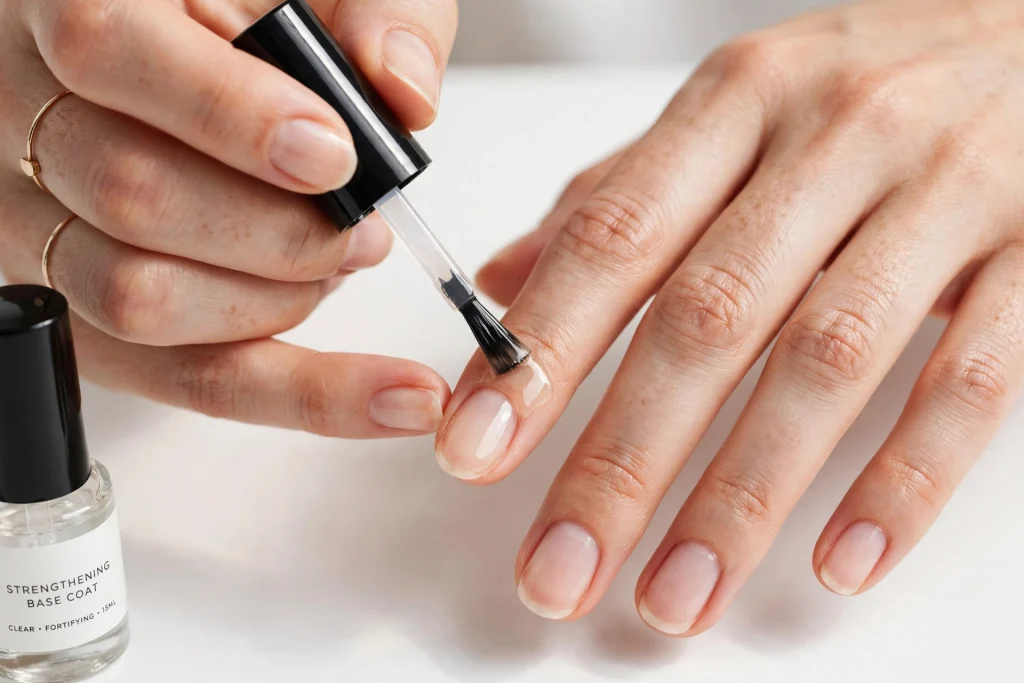
A strengthening base coat is winter armour for your nails. It creates a protective layer between the nail plate and the polish, preventing staining and adding strength and flexibility to nails that would otherwise bend and break.
Choose a base coat with strengthening ingredients like keratin, calcium or vitamin E, and apply it before every manicure — even under a single coat of polish. For very weak nails, a ridge-filling base coat smooths the surface and adds an extra layer of protection. And if you wear your nails bare, a clear strengthening polish on its own is a wonderful winter treatment.
6. Avoid Hot Water and Harsh Soaps
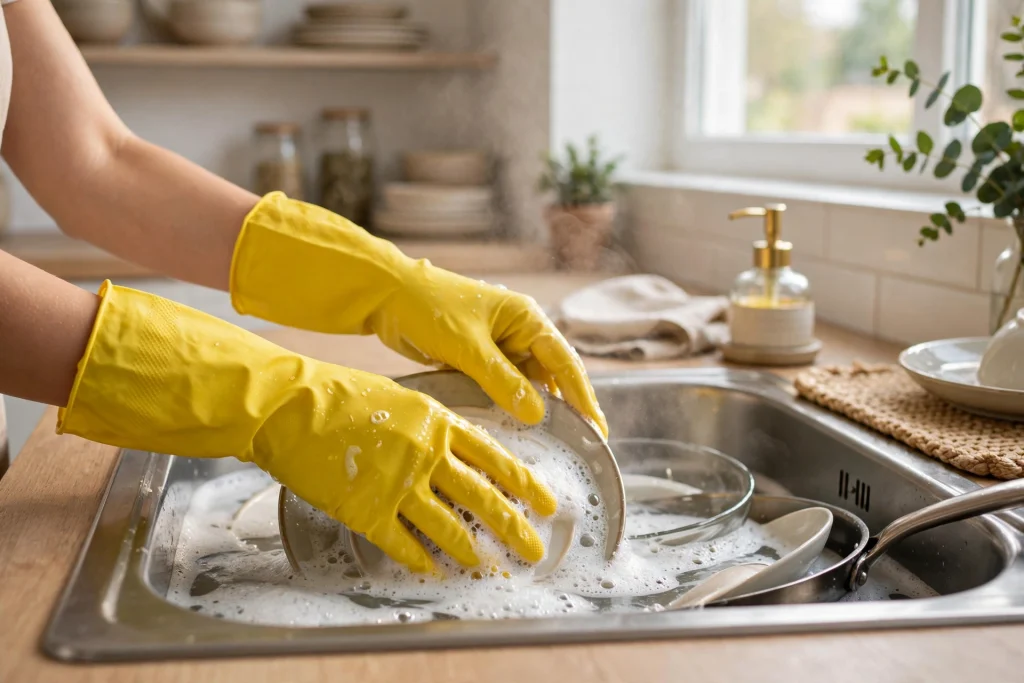
Hot water is one of the biggest enemies of winter nails. It swells the nail plate, washes away its natural oils, and leaves it soft and weak — and then the cold air dries it out again, making it brittle. Repeated hot water and cold air is the fastest route to peeling, splitting nails.
Wash your hands in lukewarm water, never hot, and choose a gentle, moisturising hand soap instead of a harsh antibacterial one. Wear rubber gloves for washing dishes and cleaning, every single time — cleaning products are even harsher than hot water. And after washing, pat your hands dry and apply hand cream straight away, while the skin is still slightly damp.
7. Eat for Healthy Nails

Strong nails are built from the inside as well as the outside. Nails are made of keratin, a protein, so a diet low in protein leaves nails thin and weak. Biotin, iron, zinc and vitamin E all play a role in nail health, and winter is the season when a good diet matters most.
Eat plenty of protein — eggs, fish, beans and nuts are all excellent — and include biotin-rich foods like eggs, almonds and sweet potatoes. Drink enough water, because dehydrated nails are brittle nails. If your nails are very weak, a biotin supplement can help, but always talk to your doctor first. Healthy nails in winter start on your plate.
8. Give Your Nails a Break Between Manicures
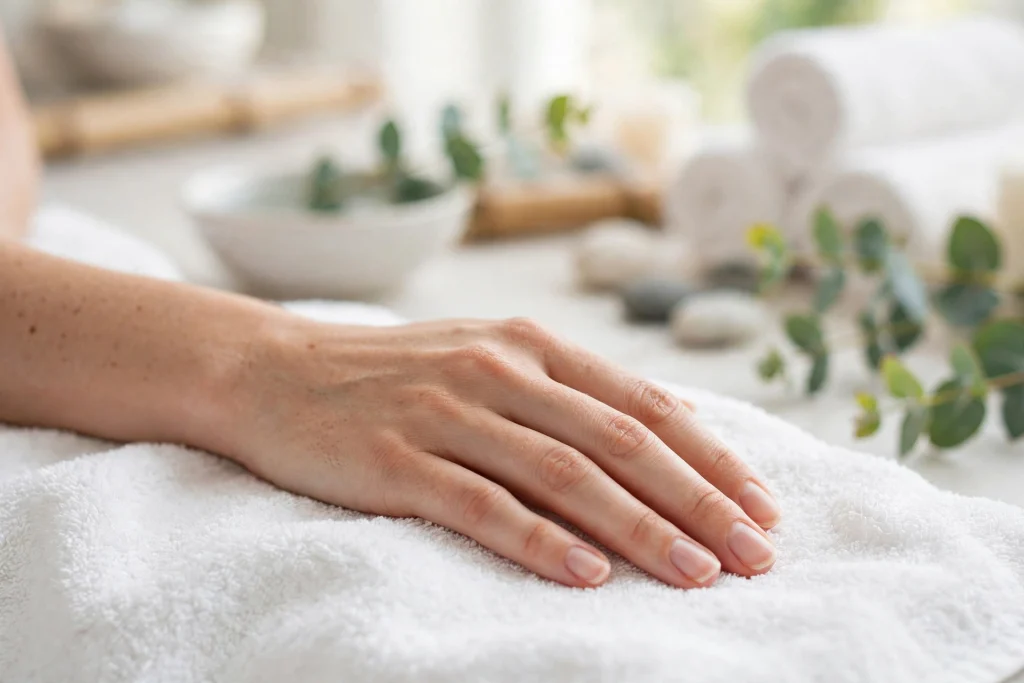
Constant polish, gel and acrylics do not let your nails breathe. In winter, when nails are already stressed by the cold, a break between manicures can make a remarkable difference. Even a few days of bare nails, treated with cuticle oil and a strengthening base coat, lets the nail plate recover.
Plan a short break between your festive manicures — a few days after Christmas, or between New Year and your next party look. During the break, keep your nails short, moisturised and protected with a clear strengthening polish. When you paint them again, they will look healthier, stronger and shinier than before.
A Simple Winter Nail Care Routine
Here is a simple routine you can follow all winter long. Every morning, apply hand cream after washing your hands, and wear gloves whenever you go outside. Every evening, massage cuticle oil into each nail before bed. Once a week, trim and file your nails, push back your cuticles gently after a shower, and apply a fresh strengthening base coat. When you paint your nails, always use a base coat, two thin coats of colour, and a top coat — and remove polish gently with an acetone-free remover. Take a short break between manicures whenever you can. Follow this routine for two weeks, and you will see the difference: smoother cuticles, stronger nails and far fewer breaks.
Signs Your Nails Need Extra Care
Some winter nail problems need more than a routine. If your nails are peeling in layers, splitting vertically, or breaking constantly despite good care, they may be very dehydrated — increase the cuticle oil to twice a day and keep your nails short until they recover.
White spots, ridges and discolouration are usually harmless, but if your nails change colour, thicken suddenly, or separate from the nail bed, see a doctor or a dermatologist. And if your cuticles are red, swollen or painful, stop pushing them back and let them heal. Healthy nails are worth a little patience.
Frequently Asked Questions
Why do my nails break more in winter?
Cold air and dry indoor heating strip moisture from the nail plate, making it brittle and likely to split. Hot water and harsh soaps make it worse. Daily cuticle oil, gloves outdoors and lukewarm water are the best defences against winter breakage.
Is cuticle oil really necessary?
Yes, especially in winter. Cuticle oil is the fastest way to replace the moisture that cold air and heating take from your nails. A daily application keeps nails flexible instead of brittle, and it is the single most effective habit for winter nail health.
Can I still wear gel nails in winter?
Yes, gel nails are fine in winter, and they can even protect weak nails. Just give your nails a short break between gel manicures, moisturise daily with cuticle oil, and have gel removed properly by soaking — never peel it off, which damages the nail underneath.
How often should I moisturise my nails in winter?
At least once a day, every evening before bed. If your nails are very dry or brittle, moisturise twice a day — once in the morning and once at night. Keep cuticle oil in your bag so you can reapply whenever your hands feel dry.
What is the best nail length for winter?
Short to medium length is best for winter, because shorter nails are stronger and less likely to break. A rounded or squoval shape is the most break-resistant. You can still enjoy long nails in winter, but they need extra care and a strengthening base coat.
Conclusion
Winter does not have to mean broken, peeling nails. With daily moisture, gloves against the cold, gentle remover, a strengthening base coat and a little patience, your nails can stay strong and healthy all season long. These 8 best nail care tips for winter 2026 are simple, affordable and easy to follow — and they work.
The secret to healthy winter nails is consistency. A little care every day beats a big treatment once in a while. Start tonight with cuticle oil, keep your gloves by the door, and give your nails the protection they deserve. Your nails will thank you all winter long.
For more winter and holiday nail inspiration, explore the rest of our nail design guides here on Gloss and Grov, and share your favourite winter nail care tip with us. Stay warm, and happy polishing.